Can DIY Basement Renovation Ideas Affect Your Building Structure? Significant Updates You Need!
Upgrading your basement can impress guests and excite your family, but in this blog, you’ll discover how DIY basement renovation ideas can seriously impact your home’s structure.
From foundation cracks to moisture and mold problems, the risks are real. Before you begin, understand the dangers involved and how hiring professionals ensures safe, durable, high-quality results.
7 Hazards You May Face While Implementing the DIY Basement Renovation Ideas!
Basements are prone to moisture. If you seal walls improperly or ignore drainage systems, you may create long-term water damage, mold growth, and even foundation cracks.
For example, “basement moisture is a common issue that can cause structural damage, health risks, and expensive repairs.
Today’s basements serve as living spaces, making waterproofing essential. Expert Nick DiCello notes that a waterproofed basement can boost home value by up to 30%.” (Information from the Waterproofing Magazine)
Before you start your project, you should understand the potential risks. Here are seven major hazards you may face:
1. Structural Damage
Your basement often supports the entire weight of your home. When you remove or modify walls, beams, or columns without proper assessment, you may weaken the structural framework.
You might assume a wall is non-load-bearing, but if it actually supports upper floors, removing it can cause:
- Sagging ceilings
- Cracked drywall upstairs
- Uneven floors
- Long-term foundation stress
Cutting into foundation walls to add windows or doors without reinforcement can also compromise stability. Structural damage is expensive to fix and may require major reconstruction.
2. Water Leakage and Moisture Intrusion
Basements are naturally prone to moisture due to their underground position. When you install drywall, insulation, or flooring without proper waterproofing, you trap moisture behind surfaces.
Basement moisture can subtly harm a house and one's health. Particularly when it is connected to living areas, moist air spreads mold under walls and carpets. (Information from UME)
Additionally, according to Air Things, keep indoor humidity between 30–60% (ideally under 70%) to protect the family.”
This can lead to:
- Hidden water damage
- Mold and mildew growth
- Wood rot in framing
- Peeling paint and warped flooring
If you ignore drainage systems or improperly seal cracks, water pressure from the surrounding soil can force moisture inside.
Over time, this damages both structural elements and indoor air quality. Moisture problems are often invisible at first, making them more dangerous.
3. Electrical Hazards
Electrical work in basements requires strict safety standards, especially because of moisture exposure. When you install wiring without proper grounding, circuit protection, or moisture-resistant materials, you increase the risk of fire or electrocution.
“If you handle electrical work, understand your system, and stay within your skill level, hire a licensed electrician whenever possible," advises the ESFI.
Furthermore, electrical wiring causes 4% of home fires and 6% of related deaths; extension cords add serious risk. Hire a qualified electrician, avoid overloading outlets, and use appliances properly. (Information from NFPA)
A small wiring error can lead to overheating behind walls, which may not be visible until serious damage occurs.
4. Plumbing Errors
If you plan to add a bathroom, kitchenette, or laundry area, plumbing becomes more complex than it appears.
Basement plumbing often requires:
- Proper slope for drainage
- Backflow prevention systems
- Sewage ejector pumps
DIY plumbing frequently backfires; for instance, improperly installed water heaters increase the risk of flooding or gas leaks, mismatched pipes lead to leaks, and chemical drain cleaners corrode lines. When things go wrong, professional plumbers step in to fix the damage safely and correctly.” (Information from Plumber Magazine)
Poor drainage can also increase moisture levels, which further damages your basement structure and foundation.
5. Foundation Cracks and Settlement Issues
Basements are directly connected to your foundation. When you drill, cut, or alter the concrete without understanding load distribution, you may create cracks that worsen over time.
Improper flooring installation or adding heavy materials like stone tiles without checking the floor load capacity can increase pressure on the foundation.
Additionally, “wall cracks can reveal your home’s true condition. While some appear naturally as a house settles, others signal deeper structural concerns.” (Information from NAR)
Foundation repairs are one of the costliest home repairs you can face. A DIY mistake can easily lead to thousands in damage.
6. Mold Growth and Health Risks
You may not see mold immediately, but it spreads quickly in dark, humid basement conditions. For example, “When moisture gets trapped behind walls or under flooring, mold can begin to grow within 24–48 hours." (Information from EPA)
Mold exposure can cause:
- Respiratory problems
- Allergies
- Skin irritation
Worsening asthma symptoms. If you or your family members spend time in the basement, especially children or elderly individuals, poor air quality can directly affect health.
7. Legal and Permit Issues
Many homeowners overlook building codes and permit requirements. Basement renovations often require permits; if you skip these approvals, you may face
- Fines from local authorities
- Insurance claim denials
- Problems when selling your home
- Forced removal of unapproved work
You may complete a
beautiful basement, but without proper documentation, it could create serious legal complications in the future.
How Do Professionals Help You to Execute Trending Basement Renovation Ideas? 3 Things to Consider!
Structural Assessment and Planning
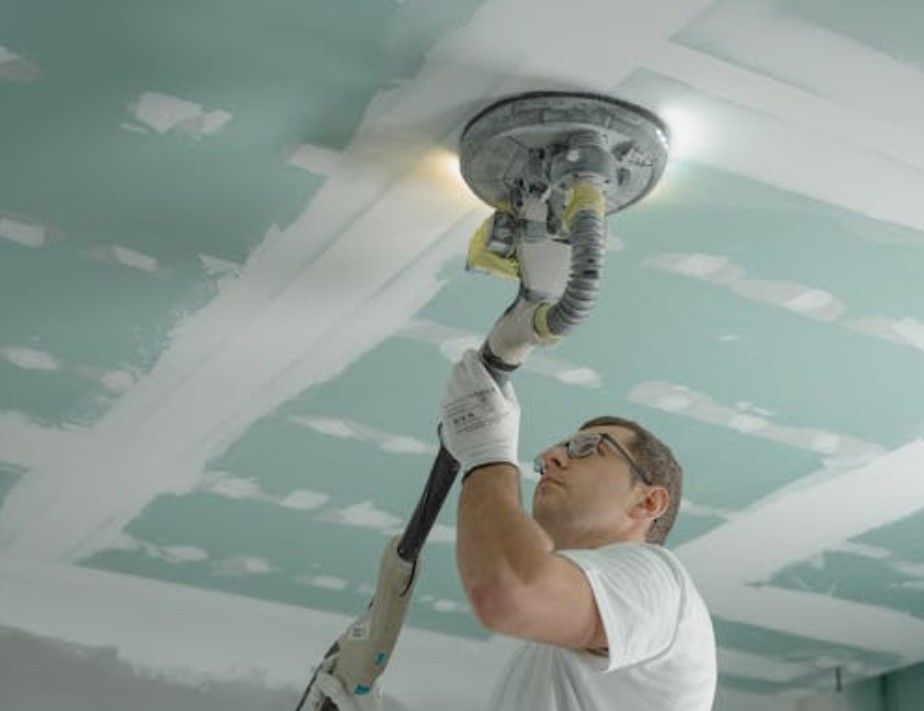
When you hire experts, you protect your home’s structural integrity. They design your renovation plan based on engineering standards, not guesswork. Whether you want an open-concept entertainment space or a modern rental suite, professionals ensure that your vision doesn’t compromise safety.
Proper Waterproofing and Safety Compliance
They also follow local building codes, electrical standards, and plumbing regulations. This protects you from future legal and safety issues. When you work with professionals, you gain peace of mind knowing your renovation meets all safety requirements.
Quality Finishing and Long-Term Value
Professionals ensure high-quality flooring, lighting design, insulation, and finishing. When you renovate correctly, you increase resale value and improve functionality. Poor DIY work, on the other hand, may reduce property appeal.
FAQs
1. Can DIY Basement Renovation Weaken Your Foundation?
Yes, it can. When you remove walls, drill into concrete, or add heavy materials without checking load-bearing structures, you may weaken your home’s foundation.
2. What are the biggest risks in DIY basement projects?
The biggest risks include structural damage, water seepage, etc. These issues not only affect your basement’s appearance but also compromise safety, indoor air quality, and your property’s overall value.
2. Why Hire Professionals for Basement Renovation?
Professionals assess your structure, handle permits, ensure proper waterproofing, and follow safety codes. You get expert planning, durable materials, and quality finishing that increases home value.
Call Elkanah Remodeling to Make Your Basement Renovation Perfect!
Elkanah Remodeling provides professional expertise that protects your building structure while transforming your basement into a modern, functional space.
When you choose skilled professionals, you:
- Avoid costly structural damage
- Ensure waterproofing and safety compliance
- Increase your property value
- Save time and stress
- Get long-lasting results
Your basement renovation ideas should enhance your home, not create hidden dangers. Call Elkanah Remodeling today and turn your basement into a safe, beautiful, and valuable part of your home.