Struggling to Understand What a Demolition Process Is? Clear Guidance Helps Prevent Risks and Delays.
When you hear the word “demolition,” it might sound big, loud, and scary. However, if you understand it step by step, you will see it’s just the beginning of change. It sets the foundation for safe rebuilding and smoother construction work ahead.
Today, you will learn what a demolition is, why it happens, and how staying safe makes everything better. Let’s explore!
What is demolition?
In simple words, demolition means taking down or removing a building or part of it. It’s like knocking down old blocks so new ones can be built. People take down buildings because they are old, broken, unsafe, or because someone wants to build a new place there.
“Construction and demolition waste accounts for over 30% of the total solid waste worldwide, making it one of the largest contributors to global waste.” (Source)
When you ask what demolition work is like, imagine knocking down a stack of blocks safely and carefully so they won’t fall on your feet.
Why Do We Need Demolition?
We need demolition for many reasons:
- Old buildings can be unsafe.
- New dreams need space to grow.
- Better homes can replace old ones.
- Roads and bridges sometimes need room to expand.
Also, many cities today are changing old buildings into new ones. This is part of making places nicer and safer.
“In fact, more than 90% of construction and demolition (C&D) waste in the U.S. comes from demolition activities, showing how demolition contributes the majority of debris in building projects.” (Source)
The Demolition Process Is Not Random
Some people think demolition is just hitting something hard until it breaks. However, it is much more careful than that. Before anyone starts, workers must:
- Check the building to see if it has unsafe parts.
- Take out dangerous things like old chemicals or wires.
- Stop water, gas, and electricity so nobody gets hurt.
- Plan where everything should fall so it doesn’t break things nearby.
This planning avoids accidents and stops big problems later.
Understanding Different Types of Demolition
Even though demolition means taking things down, there are different ways to do it. Each method is chosen depending on the building, the space around it, and how safe workers must be. Understanding these types helps you see how professionals choose the safest and most effective way to remove old structures.
| Type of Demolition | How It Works | When It Is Used | Why It Helps You |
|---|---|---|---|
| Manual Demolition | Workers use hand tools to remove parts slowly | Small spaces, delicate structures | You get safer control in tight areas |
| Mechanical Demolition | Big machines break walls and structures | Large buildings and open spaces | You get faster results and less waiting time |
| Selective Demolition | Only chosen sections are removed | Remodeling or partial updates | You keep what you like and remove only what you don’t |
| Implosion Demolition | Explosives make buildings fall safely inward | Very tall, old, or unsafe buildings | You get a quick removal of huge structures |
The Step-by-Step Process of Demolition
1. Planning and Checking the Building
The demolition process begins with careful planning. Workers inspect the building to see if anything is unsafe, such as loose wires, weak walls, or harmful materials. They also turn off water, gas, and electricity. This step makes sure you and everyone around stay safe before anything is touched.
2. Preparing the Site for Work
Next, the team clears the area. They put up fences, safety signs, and barriers so no one enters by accident. Workers wear helmets, gloves, and goggles. This preparation helps keep the worksite organized and safe.
3. Removing Hazardous or Delicate Items
The body content of your post goes here. To edit this text, click on it and delete this default text and start typing your own or paste your own from a different source.
4. The Actual Demolition Begins
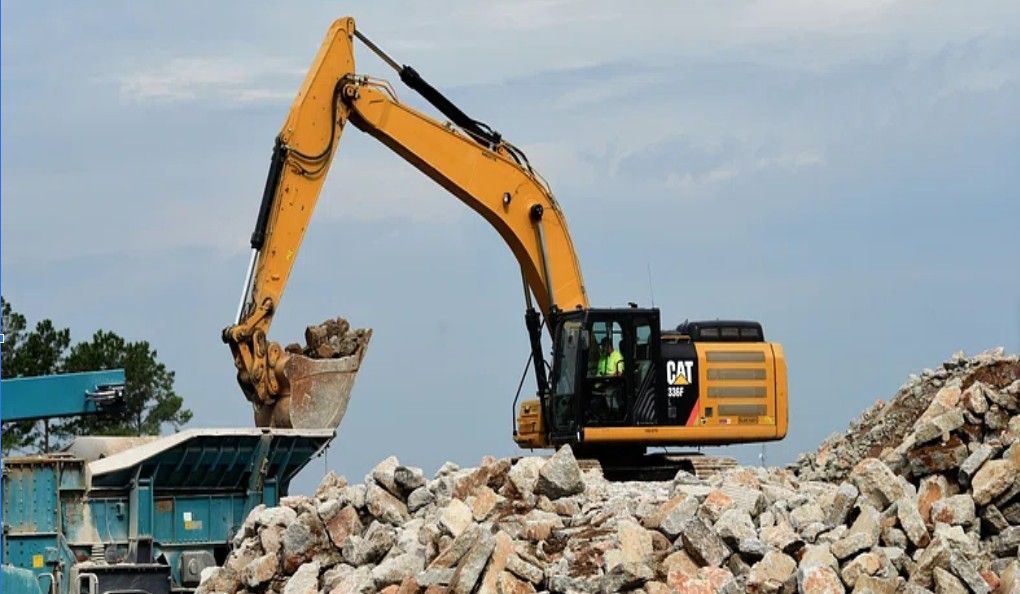
Once everything is ready, workers start taking the building down. They use machines like excavators, bulldozers, and special cutting tools. Sometimes robots are used to reach areas that are too risky for people. Workers spray water to control dust so you can breathe safely around the area.
5. Controlling Safety Throughout the Process
During demolition, workers constantly watch the structure to make sure it falls in the right direction. They keep people far away from danger zones. If something unexpected happens, they stop immediately and fix the issue. Safety is followed from beginning to end.
6. Sorting and Removing the Debris
After the building comes down, pieces like wood, concrete, bricks, and metal are collected. Instead of throwing everything away, workers separate items that can be reused or recycled. This reduces waste and helps protect the environment.
“In the United States alone, construction and demolition activities generate an estimated 600 million tons of debris annually, requiring professional handling and waste management.” (Source)
7. Cleaning and Preparing the Ground
Once the debris is removed, the team cleans the entire area. They level the ground and make sure it is safe, smooth, and ready for the next step—building something new. This creates a fresh, clean space you can use for any new project.
8. Transitioning to New Construction
After demolition is complete and the land is ready, construction teams can begin building your new home, office, or any structure you have planned. So, demolition isn’t just tearing down—it’s the first step toward creating something better.
How Demolition Helps You in a Remodeling Project
Many people think demolition slows down a remodeling project, but the opposite is true. When demolition is done properly, your project becomes smoother, safer, and faster.
It Removes Old, Weak Materials
When old materials are taken out, workers can see the structure clearly. They can fix hidden damage before building.
It Makes Space for New Designs
You may want a bigger kitchen, a wider room, or an extra window. Demolition clears space so these new changes become possible.
It Prevents Future Problems
If old pipes, wires, or broken parts stay hidden inside walls, they can cause trouble later. Removing these during demolition saves you from costly repairs.
It Helps in Creating a Strong Foundation
A clean, safe area is needed before building anything new. This keeps your new space strong and long-lasting.
FAQs
1. How long does a demolition project usually take?
Most small residential demolitions take 2–7 days, depending on the size, permits, safety checks, and cleanup needs. Larger commercial demolitions take longer because they require heavy equipment, waste sorting, and detailed safety procedures.
2. Is demolition safe for people living nearby?
Yes, when handled by trained professionals. They control dust, manage debris, secure the area, and follow strict safety rules. Proper planning and protective barriers ensure neighbors and passersby stay safe during the entire process.
3. What happens to the waste after demolition?
Demolition waste is separated into different materials such as concrete, metal, wood, and other recyclables. Many of these materials can be reused to support safer and more sustainable building practices. Anything that cannot be reused is carefully disposed of according to local rules and guidelines.
Bringing Everything Together for a Safe and Smooth Demolition
Now you know what a demolition is and why it’s more than just knocking down walls. It’s a careful plan that makes way for safer, better spaces. When done the right way, demolition protects people and the environment and helps communities grow.
In the end, when you are ready for demolition or remodeling work, experts like Elkanah Remodeling Co. can make the process safe and organized.
They understand how to handle demolition with care and help you move toward your building goals.
Contact Elkanah Remodeling Co. today for safe, clean, and reliable service you can trust.